Rare Blood Moon Lunar Eclipse Graces New Zealand Skies: An Unforgettable Celestial Spectacle
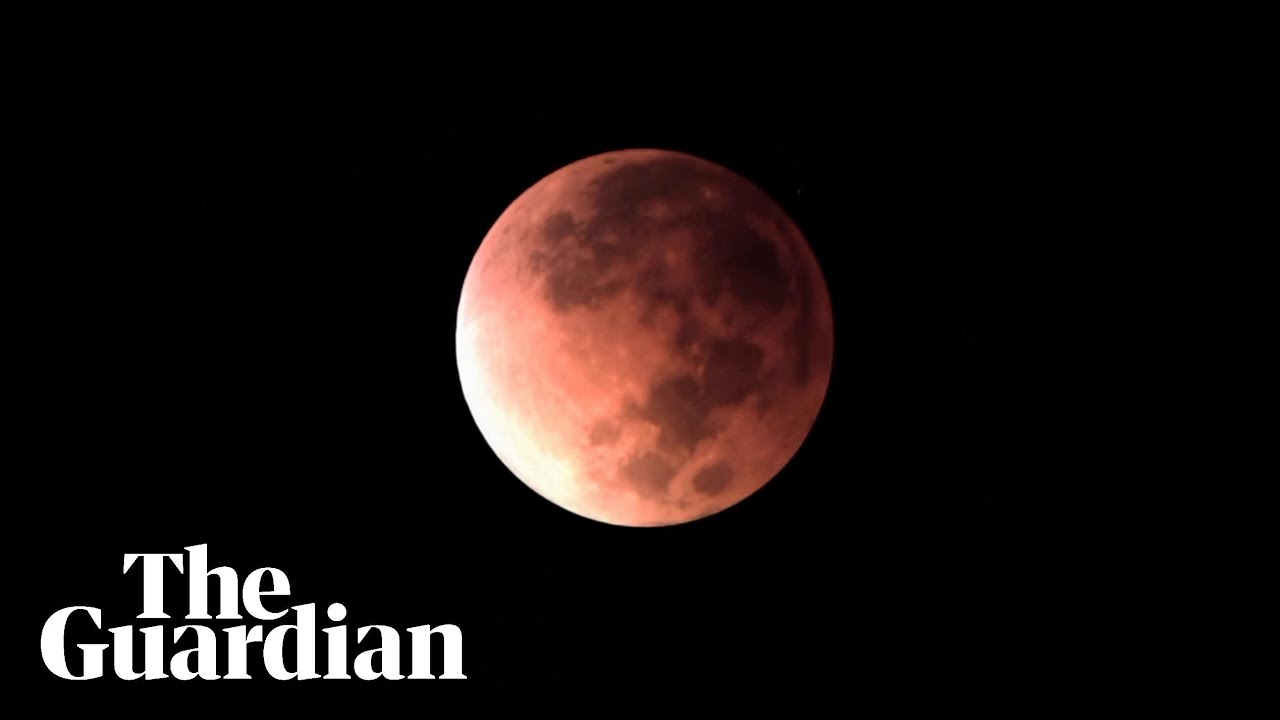
On a memorable Tuesday night, the skies above New Zealand were transformed into a canvas for a truly spectacular astronomical event: a rare total lunar eclipse that painted the Moon in hues of deep red, creating what is popularly known as a "blood moon." This breathtaking display captivated skywatchers across the nation, offering a profound connection to the cosmos and reaffirming New Zealand's reputation as a premier destination for celestial observation. The majestic phenomenon was not only witnessed by countless enthusiastic observers but also expertly captured in stunning detail, providing a lasting record of this extraordinary occurrence.
The visual masterpiece, characterized by its deep, rusty red glow, was a testament to the intricate dance of celestial mechanics and Earth's atmospheric properties. For many, it was a once-in-a-lifetime opportunity to witness such a vivid and pronounced blood moon. The event served as a powerful reminder of the universe's grandeur, inspiring awe and wonder in equal measure, from the bustling cityscapes of Auckland to the tranquil, dark sky reserves of the South Island. This particular blood moon new zealand witnessed was especially vibrant, marking it as a significant moment in the nation's astronomical history.
What Makes a Blood Moon So Special? Unveiling the Celestial Phenomenon
The term "blood moon" might sound dramatic, but it perfectly describes the stunning visual effect of a total lunar eclipse. To understand its magic, we must first grasp the mechanics of a lunar eclipse itself. A lunar eclipse occurs when the Earth passes directly between the Sun and the Moon, casting a shadow on our lunar neighbour. Unlike a solar eclipse, which requires specialized viewing equipment, a lunar eclipse is entirely safe and mesmerizing to watch with the naked eye.
However, a total lunar eclipse is distinct from a partial one. During a total eclipse, the Moon is completely immersed in the darkest part of Earth's shadow, known as the umbra. Yet, it doesn't vanish entirely. Instead, it takes on an ethereal, reddish hue. This striking colour is a result of sunlight scattering through Earth's atmosphere. Think of it like this: as sunlight passes through our atmosphere, the shorter, bluer wavelengths of light are scattered away (which is why our sky appears blue during the day). The longer, redder wavelengths, however, manage to bend or refract around the Earth and project onto the Moon's surface.
The intensity and exact shade of red depend on several factors, including the amount of dust, clouds, and even volcanic ash present in Earth's atmosphere at the time of the eclipse. A 'cleaner' atmosphere might result in a brighter, more orange moon, while a dustier atmosphere can lead to a deeper, more profound red – sometimes even a dark, brownish-red. This variability makes each blood moon unique, adding to its mystique and the anticipation surrounding its appearance. The rarity comes from the precise alignment required for a total eclipse, combined with atmospheric conditions conducive to creating that vivid red coloration. When such an alignment graces a region with optimal viewing conditions, like the recent blood moon new zealand experienced, it becomes an event of significant public and scientific interest.
New Zealand: A Stargazer's Paradise for Celestial Spectacles
New Zealand is globally renowned for its pristine natural beauty, and this extends to its unparalleled night skies. With some of the least light-polluted areas on Earth, particularly in the South Island, the country has become a mecca for astrotourism and stargazing enthusiasts. The Aoraki Mackenzie International Dark Sky Reserve, encompassing Tekapo, Twizel, and Mount Cook Village, is one of only 20 such reserves worldwide, offering truly breathtaking views of the Milky Way, the Southern Cross, and a myriad of other celestial wonders.
It is this exceptional environmental clarity that makes New Zealand an ideal vantage point for phenomena like the recent blood moon. The minimal light pollution ensures that when a celestial event occurs, its full glory is visible, unmarred by artificial glow. For residents and visitors alike, the opportunity to witness a total lunar eclipse, particularly one as vivid as the recent blood moon new zealand was blessed with, is amplified by the sheer quality of the observational environment.
Moreover, the Moon holds significant cultural importance for Māori, the indigenous people of New Zealand. Known as Marama, the Moon plays a crucial role in traditional navigation, planting cycles (māra kai), fishing, and spiritual beliefs. Each phase of the Moon has a specific name and significance, guiding daily life and rituals. Witnessing an event like a blood moon, therefore, transcends mere scientific curiosity; it taps into a rich cultural heritage and a deep, ancestral connection to the heavens. This adds another layer of profound meaning to an already spectacular astronomical occurrence, fostering a sense of shared wonder and appreciation for the night sky.
Capturing the Cosmic Moment: The Art and Science of Astrophotography
While countless individuals across New Zealand gazed up at the blood moon with their own eyes, capturing its essence in a photograph requires a unique blend of scientific understanding, artistic vision, and specialized equipment. Astrophotography is an increasingly popular field that allows us to document and share the ephemeral beauty of the cosmos, making distant wonders accessible to everyone.
The recent blood moon new zealand witnessed was expertly documented by Josh Aoraki from the Te Whatu Stardome in Auckland. His timelapse vision provided a captivating sequence, showcasing the Moon's gradual transition from its usual bright white to the deep, rusty red. Such timelapses are invaluable; they not only condense hours of celestial movement into minutes of viewing pleasure but also serve as scientific records, allowing astronomers and enthusiasts to study the eclipse's progression and subtle changes.
Capturing a total lunar eclipse, especially a blood moon, is a challenging endeavour. It involves careful planning, precise camera settings (balancing exposure for a dim, moving object), and often, sophisticated tracking mounts to compensate for Earth's rotation. Josh Aoraki's success highlights the dedication and skill required to bring such phenomena to our screens. His work, like that of many astrophotographers, helps to bridge the gap between complex astronomical events and public engagement, inspiring a new generation of skywatchers and space enthusiasts. For a closer look at this incredible feat, you can
See New Zealand's Spectacular Blood Moon Timelapse Video. Furthermore, you can delve deeper into the specific details of its capture by reading about
Auckland's Rare Blood Moon Captured by Josh Aoraki. These efforts ensure that even those who missed the live event can still experience a piece of its magic.
Witnessing the Next Wonder: Tips for Future Lunar Eclipse Viewing
While the recent blood moon new zealand observed was a past event, the universe is a constant show, and future lunar eclipses are guaranteed. For those eager to witness the next celestial spectacle, preparation is key. Unlike solar eclipses, lunar eclipses are perfectly safe to view directly without any special eye protection, making them ideal for casual observers and seasoned astronomers alike.
Here are some practical tips to enhance your next lunar eclipse viewing experience:
*
Stay Informed: Keep an eye on astronomical calendars, local observatory schedules, and reputable astronomy websites. These resources will provide precise dates, times, and visibility maps for upcoming lunar eclipses. Many local astronomy clubs in New Zealand also host public viewing events, offering guided observations and access to telescopes.
*
Find a Dark Sky Location: While city lights won't completely obscure a bright full moon, getting away from urban light pollution will significantly enhance the view, especially during the deeper, darker phases of a blood moon. Consider venturing to rural areas or one of New Zealand's dedicated dark sky reserves for an unforgettable experience.
*
Equipment (Optional but Recommended): Your naked eyes are perfectly adequate for enjoying a lunar eclipse. However, a pair of binoculars or a small telescope can reveal incredible details on the lunar surface, enhancing the red hues during totality. Even basic binoculars will make craters and features pop.
*
Dress for the Outdoors: Lunar eclipses unfold over several hours, often in the late-night or early morning. Dress warmly in layers, even on what seems like a mild evening, and consider bringing a comfortable chair, a blanket, and a hot drink to make the waiting more pleasant.
*
Practice Astrophotography: If you're keen to capture the moment, a sturdy tripod is essential. Use a camera with manual settings and experiment with long exposures (several seconds to minutes) and different ISOs. A remote shutter release can help prevent camera shake. Remember, capturing the deep red of a blood moon requires patience and adjustment as the light changes.
*
Share the Experience: Lunar eclipses are wonderful community events. Gather with friends, family, or join a local stargazing group. Sharing the awe and wonder of such a spectacle adds to its magic.
By following these tips, you'll be well-prepared to fully immerse yourself in the beauty of future celestial events and perhaps even capture your own stunning images of the Moon's spectacular transformations.
Conclusion: A Lasting Impression of New Zealand's Cosmic Connection
The rare blood moon lunar eclipse that recently graced New Zealand's skies was more than just an astronomical event; it was a profound shared experience that highlighted the nation's unique connection to the cosmos. From the scientific marvel of scattered light creating the iconic red hue to the rich cultural tapestry woven with Māori traditions, this blood moon captivated and inspired all who witnessed it. The meticulous efforts of astrophotographers like Josh Aoraki, operating from institutions like the Te Whatu Stardome, ensured that the transient beauty of the event was preserved for posterity, allowing its wonder to be revisited time and again.
New Zealand, with its exceptional dark skies and deep appreciation for nature, stands out as a prime location for such celestial spectacles. This blood moon served as a powerful reminder of the universe's inherent beauty and the incredible phenomena that unfold above us. As we look forward to future eclipses and astronomical events, the memory of this stunning blood moon new zealand witnessed will undoubtedly continue to inspire a sense of wonder and encourage a deeper appreciation for the boundless mysteries of our universe. Let the magic of the night sky continue to draw our gaze upwards, fostering curiosity and a lasting connection to the grand cosmic dance.