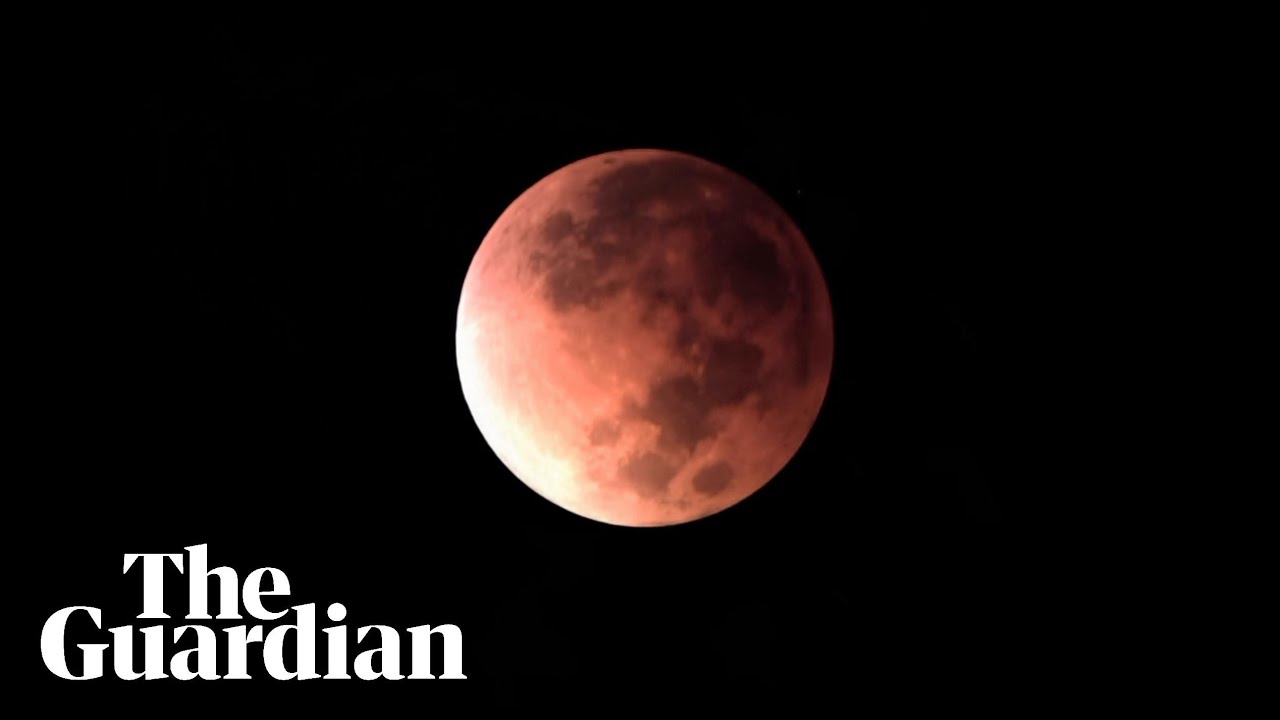
The night sky above Auckland recently played host to a truly breathtaking celestial phenomenon: a rare total lunar eclipse that transformed our familiar full moon into a mesmerizing 'blood moon.' This spectacular event, eagerly anticipated by astronomers and casual stargazers alike, was masterfully captured in stunning detail, providing an unforgettable glimpse into the cosmos from right here in New Zealand.
The phenomenon, often referred to as a blood moon New Zealand edition, is not just a visual treat but a profound reminder of the intricate dance between Earth, its moon, and the sun. While lunar eclipses occur regularly, the conditions aligning to produce such a vivid, ruddy hue are less common, making each total eclipse a special occasion. For those fortunate enough to witness it firsthand, or through the remarkable photography that emerged, it was a moment of collective awe.
Understanding the Celestial Spectacle: What Makes a Blood Moon?
To truly appreciate the beauty of a blood moon, it helps to understand the science behind it. A blood moon isn't a moon stained with actual blood; rather, it's the captivating visual effect of a total lunar eclipse. This occurs when the Earth positions itself directly between the sun and the moon, casting a shadow that completely envelops our lunar neighbour. However, instead of disappearing entirely, the moon takes on a reddish or coppery hue, earning its evocative name.
The magic lies in Earth's atmosphere. Even though the moon is in Earth's shadow, some sunlight still manages to reach it. This light, however, is scattered by our planet's atmosphere in a process known as Rayleigh scattering – the same phenomenon that makes our sky appear blue during the day. Shorter, bluer wavelengths of light are scattered more effectively, while longer, redder wavelengths penetrate the atmosphere and are refracted, or bent, onto the moon's surface. Think of it as thousands of sunrises and sunsets simultaneously projected onto the moon.
The exact shade of red can vary significantly, ranging from a faint orange to a deep, rusty crimson. This variability depends on several factors, including the amount of dust, clouds, and volcanic ash present in Earth's atmosphere at the time of the eclipse. A 'cleaner' atmosphere typically results in a brighter, more orange moon, while a dustier atmosphere can lead to a darker, deeper red. This particular blood moon New Zealand saw, as evidenced by the stunning captures, produced a truly vibrant spectacle.
Historically, blood moons have inspired both wonder and trepidation across various cultures. Ancient civilizations often interpreted them as omens, symbols of change, or even divine displeasure. Today, with our scientific understanding, the awe remains, but it's intertwined with a deeper appreciation for the mechanics of our solar system. Each total lunar eclipse is a testament to the predictable yet infinitely beautiful cosmic ballet unfolding above us.
Capturing the Elusive Glow: Josh Aoraki's Vision from Auckland
While millions around the world might cast their gaze skyward during a lunar eclipse, only a dedicated few possess the skill and foresight to immortalize such fleeting moments with professional precision. One such individual is Josh Aoraki, whose remarkable timelapse vision of the recent blood moon New Zealand has garnered significant attention. Aoraki, operating from the Te Whatu Stardome in Auckland, successfully documented the entire transition, transforming the ephemeral event into a lasting digital legacy.
The Te Whatu Stardome, situated in Auckland, offers an ideal vantage point for celestial observations, thanks to its strategic location and often clear New Zealand skies. For astrophotographers like Aoraki, preparation is paramount. Capturing a total lunar eclipse, especially in a detailed timelapse, requires more than just pointing a camera at the sky. It involves meticulous planning, precise equipment, and a deep understanding of astronomical movements.
Aoraki likely employed high-end photographic equipment, including a robust camera body, a telephoto lens to magnify the moon's details, and a sturdy tripod to ensure stability over extended periods. Critical to a timelapse is also a remote shutter release or intervalometer, which automates the process of taking hundreds or even thousands of photos at regular intervals. These individual frames are then meticulously stitched together in post-production to create a fluid, accelerated video that condenses hours of astronomical drama into minutes of captivating viewing. For an incredible visual journey through this event, you might want to See New Zealand's Spectacular Blood Moon Timelapse Video.
His work not only serves as a beautiful record but also inspires others to look up and engage with the wonders above. Capturing the subtle shift from a bright full moon to a dim, reddish orb and back again showcases the dynamic nature of our universe in a way that static images simply cannot. It highlights the skill involved in astrophotography, a challenging yet rewarding pursuit that combines scientific knowledge with artistic vision.
The Art and Science of Astrophotography
- Equipment: A good quality DSLR or mirrorless camera, a sturdy tripod, a telephoto lens (200mm or more recommended), and an intervalometer are essential.
- Planning: Utilize apps and websites to pinpoint the exact time and trajectory of the eclipse. Check weather forecasts meticulously, as clear skies are crucial.
- Location: Seek out dark sky locations away from city light pollution. While Auckland's Stardome is excellent, even suburban parks can offer decent views with the right conditions.
- Settings: Lunar eclipses require varied settings. As the moon dims during totality, longer exposures and higher ISOs are necessary compared to a regular full moon shot. Experimentation is key!
- Post-Processing: Software like Adobe Lightroom or Photoshop can enhance details, adjust colours, and assemble timelapse sequences.
The Broader Impact and Future Celestial Events in New Zealand
The visibility of a spectacular event like the recent blood moon New Zealand witnessed extends far beyond its immediate visual appeal. These celestial shows play a vital role in fostering scientific curiosity, bringing communities together, and even highlighting New Zealand's unique position as a prime location for astronomical observation. Such events are often celebrated by local astronomy clubs, observatories, and educational institutions, providing invaluable outreach opportunities.
For many, witnessing a blood moon is a gateway to the broader world of astronomy. It sparks questions about the universe, our place within it, and encourages further exploration of topics like planetary motion, light, and optics. Schools often incorporate such events into their science curricula, using real-world phenomena to engage students and ignite a passion for STEM fields. The stunning imagery produced, like Josh Aoraki's timelapse, becomes a powerful educational tool, accessible to a global audience.
Moreover, New Zealand, with its relatively low light pollution in many regions outside major cities, offers some of the best stargazing opportunities in the world. Dark sky reserves, such as the Aoraki Mackenzie International Dark Sky Reserve in the South Island, are globally recognized for their pristine night skies, making them ideal for observing everything from meteor showers to distant galaxies, and of course, future lunar eclipses. This natural advantage not only benefits local enthusiasts but also contributes to astro-tourism, attracting international visitors eager to experience the Southern Hemisphere's unique constellations and celestial events. To learn more about this and other incredible astronomical happenings down under, you might be interested in this article: Rare Blood Moon Lunar Eclipse Graces New Zealand Skies.
Tips for Aspiring Stargazers in New Zealand:
- Check Local Listings: Keep an eye on websites of local astronomy clubs, observatories (like Stardome in Auckland or other regional ones), and national meteorological agencies for predictions of future eclipses, meteor showers, and planetary conjunctions.
- Find Your Dark Spot: While city viewing is possible, venturing to rural areas or designated dark sky parks will significantly enhance your experience. Even a short drive can make a huge difference.
- Invest in Basic Equipment: A good pair of binoculars is an excellent starting point for stargazing. They're portable, relatively inexpensive, and offer fantastic views of the moon, planets, and even some nebulae.
- Use Stargazing Apps: Modern smartphone apps like SkyView Lite, Star Walk, or Stellarium Mobile can help you identify constellations, planets, and track celestial events in real-time.
- Dress Warmly: Even on mild nights, temperatures can drop significantly during extended periods of outdoor stargazing. Layered clothing is always a good idea.
The future holds many more celestial wonders for New Zealand. While predicting the exact conditions for the next 'blood moon' of such vividness is challenging, total lunar eclipses are regular occurrences. With continuous scientific advancements and the tireless efforts of individuals like Josh Aoraki, the opportunity to witness and document these magnificent events will remain a highlight for enthusiasts and professionals alike.
Conclusion
The recent